ACES Casino School / Journal
The True Value of Real Wasabi: Understanding the Price for Real Wasabi
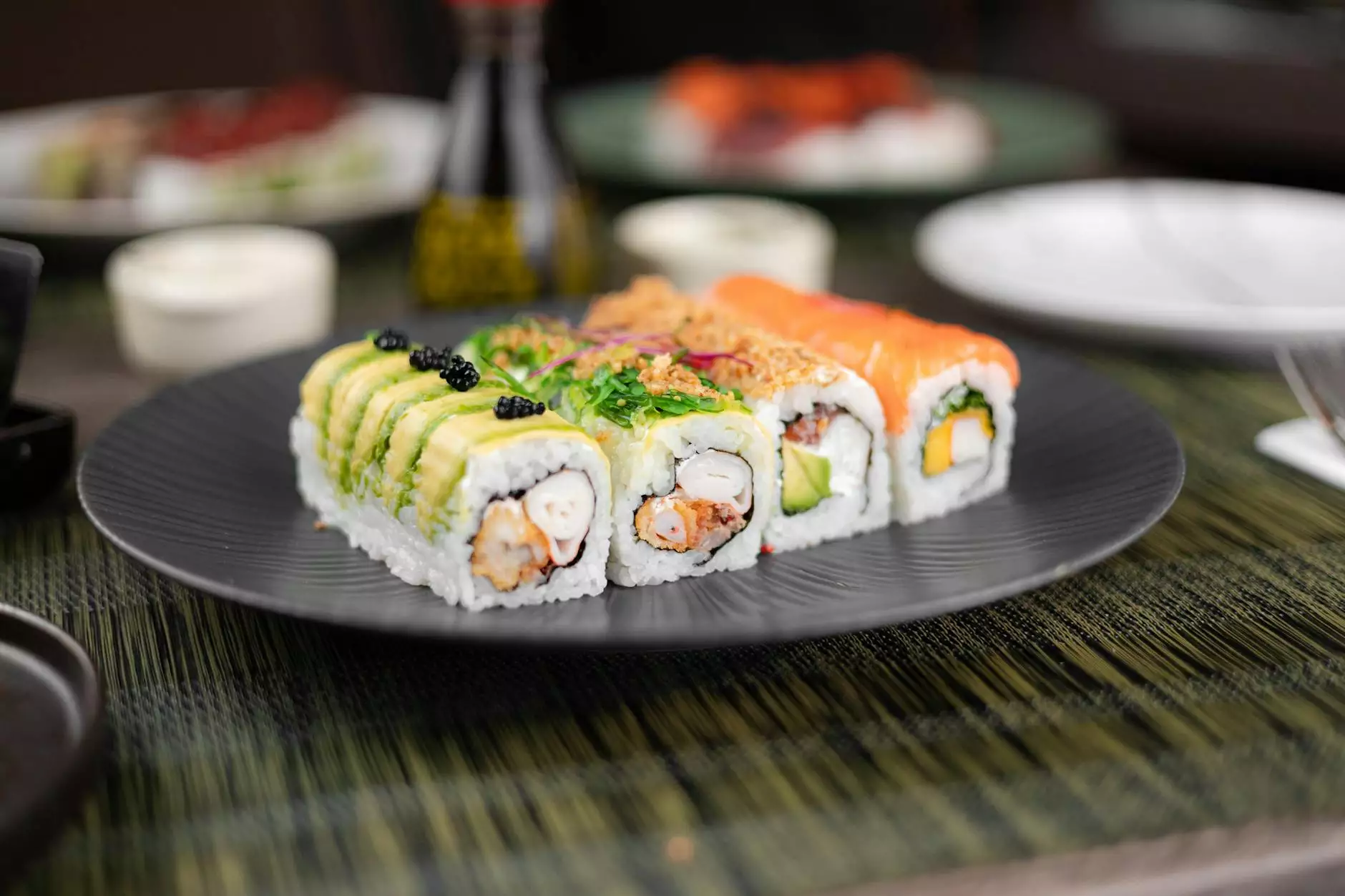
Wasabi is more than just a condiment; it is a quintessential element of Japanese cuisine, particularly revered in sushi bars and restaurants around the globe. However, the price for real wasabi often leaves many wondering what makes this green paste so precious and sought after. In this article, we will explore the fascinating world of real wasabi, its costs, cultivation methods, and its impact on culinary experiences.
What is Real Wasabi?
Real wasabi, known scientifically as Wasabia japonica, is a rhizome that grows in the cool, stream-fed regions of Japan. It is distinct from the typical "wasabi" found in many restaurants, which is often a mixture of horseradish, mustard, and green dye. True wasabi boasts a unique flavor profile—its heat is more aromatic and doesn't linger as long as horseradish does, making it a favored choice in authentic sushi and Japanese dining experiences.
Why is Real Wasabi So Expensive?
The astonishing price for real wasabi can be attributed to several factors:
- Rarity: True wasabi is not widely cultivated outside of Japan, and the conditions required for its growth are specific, which limits its availability.
- Labor-Intensive Cultivation: Growing wasabi takes time and effort. It takes 2 to 3 years to harvest the rhizomes after planting, and farmers must ensure ideal conditions—cool, flowing water, shaded environments, and a stable pH level in the soil.
- Quality Control: Farmers often hand-pick and carefully handle the wasabi to ensure the highest quality, further increasing labor costs.
- Market Demand: The growing interest in authentic Japanese cuisine has contributed to a rise in demand for real wasabi restaurants and sushi bars.
The Cultivation Process of Real Wasabi
Growing real wasabi is both an art and a science. Here’s how it is typically cultivated:
1. Choosing the Right Location
Real wasabi thrives in specific conditions. It is predominantly grown in low-altitude areas with cool temperatures and a consistent supply of running, clean water. The best farms mimic the natural streams of Japan.
2. Preparing the Soil
Soil preparation is crucial. The rhizomes require a rich, well-draining soil that has a pH between 6 and 7.6. Farmers often mix organic matter to enhance soil fertility.
3. Planting and Maintenance
Wasabi is typically propagated from rhizome cuttings. Farmers plant these cuttings in shaded areas to protect them from direct sunlight, which can hinder growth. Regular maintenance involves ensuring adequate water supply and maintaining cleanliness in the growing area to avoid pests and diseases.
4. Harvesting
After 2 to 3 years, the wasabi rhizomes are ready for harvest. Harvesting is done by hand to avoid damaging the delicate rhizomes, which are then sorted and graded based on size and quality.
Understanding the Price for Real Wasabi
The price for real wasabi can vary significantly based on numerous factors. Here are some key points to consider:
- Freshness: Fresh wasabi fetched from trusted suppliers can cost anywhere between $50 to $100 per pound, depending on the quality and season.
- Prepared Wasabi: Prepared forms, like wasabi paste or powder (often made from real wasabi), can range from $10 to $30 for small quantities.
- Import Costs: Since most real wasabi is imported, shipping and duties contribute to the final price, particularly in regions where it is not locally cultivated.
What Makes Real Wasabi Unique?
Real wasabi is not just another condiment. It brings a unique set of flavors and health benefits:
A Unique Flavor Profile
The taste of wasabi is complex, with a fresh, green sweetness that complements the umami flavors of sushi and sashimi. Unlike jalapeños or horseradish, real wasabi provides a gentler burn that enhances the dish rather than overwhelming it.
Health Benefits
Aside from its culinary uses, real wasabi is known for several health benefits:
- Antimicrobial Properties: Wasabi has compounds that may help inhibit certain bacteria, making it a natural choice for sushi.
- Rich in Antioxidants: The rhizomes contain antioxidants that can help protect the body’s cells from damage.
- Anti-Inflammatory Effects: Some studies suggest that wasabi may help reduce inflammation.
Why Choose Real Wasabi in Restaurants and Sushi Bars?
When dining at a restaurant or sushi bar, the choice between real wasabi and imitation is clear. Here’s why opting for real wasabi enhances your culinary experience:
Authenticity
Real wasabi ensures that your dish is prepared as traditionally as possible. Authentic Japanese cuisine values quality ingredients, and using true wasabi aligns with this ethos.
Culinary Experience
Real wasabi enhances the flavor of the food without overpowering it. Its aroma and taste bridge the delicate notes of sushi ingredients, providing a holistic gastronomic experience.
Supporting Sustainable Practices
Choosing real wasabi supports sustainable farming practices. Many producers focus on ecological methods, ensuring that the growing process is environmentally friendly and promotes biodiversity.
How to Identify Real Wasabi
When searching for real wasabi, understanding how to identify it can be helpful:
- Color: Real wasabi has a natural green color—darker and more vibrant than the imitation stuff.
- Texture: Genuine wasabi tends to be coarse and not overly smooth, distinguishing it from some processed varieties.
- Aroma: Sliced real wasabi emits a fresh, sweet aroma, unlike the more pungent smell of horseradish.
Conclusion
In summary, the price for real wasabi reflects its rarity, the labor-intensive cultivation process, and its superior quality. Dining experiences enriched with real wasabi not only enhance the authenticity of dishes within restaurants and sushi bars but also connect diners to cultural traditions and culinary excellence. As demand for authentic Japanese cuisine grows, understanding and appreciating the value of real wasabi is essential for any food lover. The next time you indulge in sushi, consider requesting real wasabi and experience the remarkable difference it brings to your plate.
For more information about authentic wasabi and its prices, visit realwasabi.com.