ACES Casino School / Journal
The Importance of **Lung CT Scans** in Modern Medicine
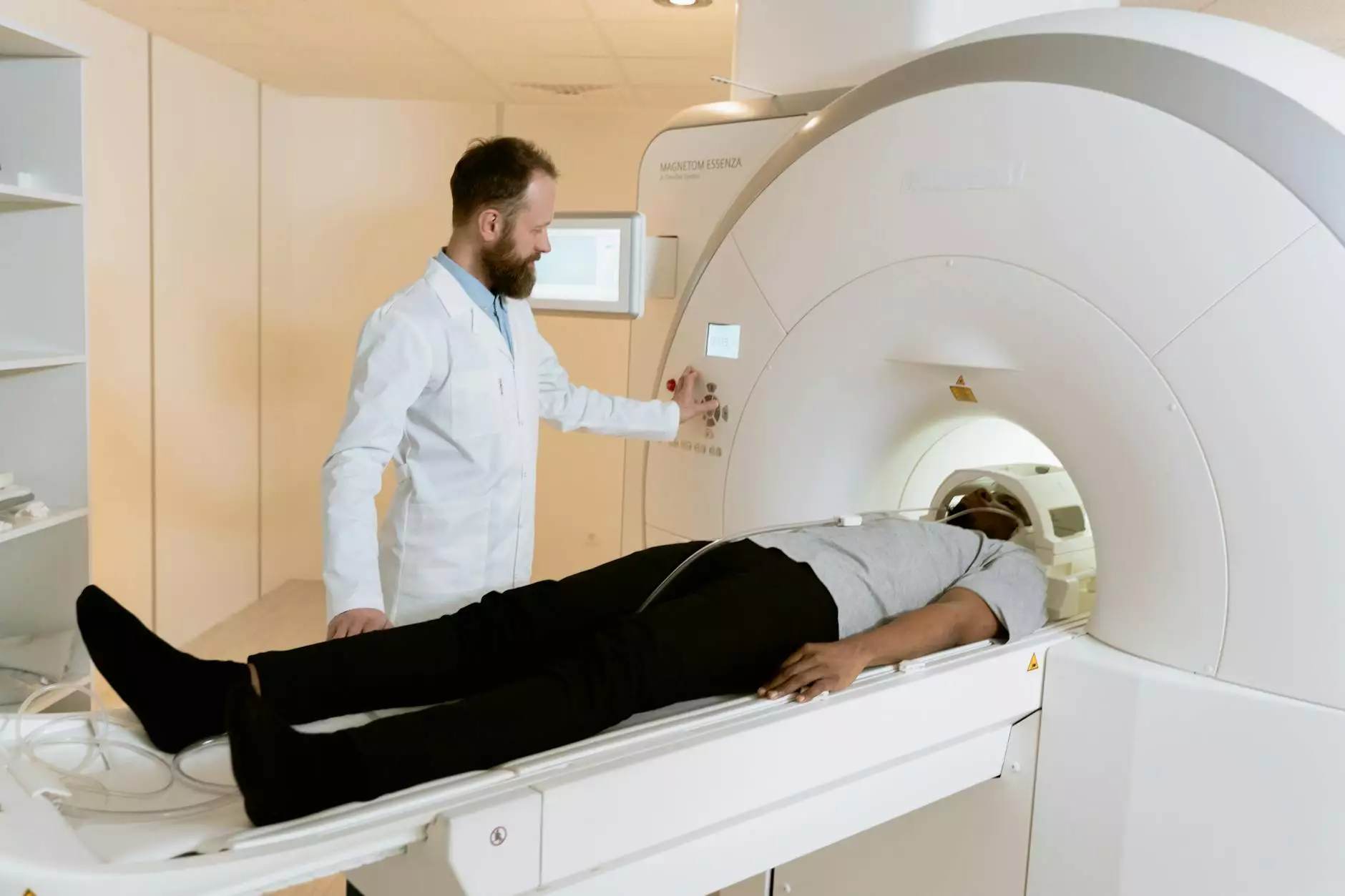
In the realm of health and medical diagnostics, few tools have proven as essential and transformative as the lung CT scan. This advanced imaging technique offers unparalleled insights into our respiratory health and plays a pivotal role in the early detection and management of various lung diseases. In this article, we will explore the key aspects of lung CT scans, their benefits, how they are performed, and their significance in specific medical fields such as sports medicine and physical therapy.
What is a Lung CT Scan?
A lung CT scan, or computed tomography scan, is an imaging test that uses X-rays and computer technology to create detailed cross-sectional images of the lungs and surrounding structures. Unlike standard X-rays, which provide only a single view, CT scans produce multiple images, allowing doctors to see in much greater detail.
How Does a Lung CT Scan Work?
During a lung CT scan, the patient lies on a table that moves through a large, doughnut-shaped machine known as a CT scanner. The machine takes numerous X-ray images from different angles, which are then processed by a computer to create comprehensive images of the lung tissue, blood vessels, and airways.
Why Are Lung CT Scans Important?
Lung CT scans are invaluable in various medical contexts for several reasons:
- Early Detection of Lung Diseases: One of the primary advantages of CT scans is their ability to detect lung conditions at an early stage. This includes lung cancer, pneumonia, and chronic obstructive pulmonary disease (COPD).
- Assessment of Lung Function: CT scans can help evaluate the overall function of the lungs, especially when patients present symptoms such as shortness of breath or chronic cough.
- Guiding Treatment Decisions: For patients already diagnosed with lung diseases, CT scans can offer critical information about the extent of the disease, helping healthcare providers determine the most effective treatment strategies.
- Monitoring Disease Progression: CT imaging is often used to monitor the effectiveness of ongoing treatments, allowing for timely adjustments if necessary.
Applications of Lung CT Scans in Sports Medicine
Sports medicine professionals increasingly rely on lung CT scans to evaluate athletes who experience respiratory issues. These scans can help identify conditions that may affect an athlete's performance, such as:
- Exercise-Induced Asthma: A common condition among athletes, lung CT scans can help diagnose and assess the severity of asthma, ensuring effective management strategies are implemented.
- Respiratory Infections: Infections can hinder an athlete's training and competition schedule. CT imaging can facilitate a rapid diagnosis, allowing for prompt treatment.
- Chest Trauma: Injuries sustained during sports, such as fractures or contusions to the ribs, can be evaluated using a lung CT scan, providing crucial information about the extent of injury.
Complementing Physical Therapy with Lung CT Scans
In physical therapy, understanding the underlying issues related to lung health is crucial for developing effective rehabilitation programs. Lung CT scans provide physical therapists with necessary insights into:
- Post-surgery Recovery: After lung surgery, a CT scan can help therapists assess recovery progress and adjust rehabilitation protocols accordingly.
- COPD and Lung Function: For patients with chronic lung conditions, physical therapists can use information from lung CT scans to design personalized exercise plans that improve lung function and overall fitness.
- Educating Patients: Understanding the results of their CT scans can help patients grasp the importance of following through with their physical therapy, leading to better health outcomes.
The Process of Getting a Lung CT Scan
Preparing for a lung CT scan is generally straightforward. Here’s a brief overview of what patients can expect:
Before the Scan
- Consultation: Patients will typically have a consultation with their doctor to discuss the indications for the scan and what to expect.
- Preparation: No special preparation is usually needed, but patients may be instructed to refrain from wearing jewelry or clothing with metal that could interfere with the imaging.
During the Scan
- Positioning: Patients lie on a cushioned table, often on their back.
- Breath-Holding: At times, patients may be asked to hold their breath briefly while images are taken to reduce blurriness.
After the Scan
Once the scan is completed, patients can typically resume normal activities immediately, as there are no side effects from this non-invasive procedure.
Understanding the Results of a Lung CT Scan
After the lung CT scan, the images will be analyzed by a radiologist, who will create a report detailing their findings. The results will then be communicated to the referring physician, who will take the following steps:
- Discuss Findings: The physician will discuss the results with the patient, explaining any significant findings and their implications for health.
- Determine Next Steps: Based on the results, further tests may be necessary, or a treatment plan may be developed.
Conclusion: The Role of Lung CT Scans in Health and Medical Analysis
In summary, lung CT scans are a cornerstone of modern medical diagnostics, offering crucial insights that can lead to early detection, effective treatment, and improved health outcomes for patients across various medical fields. Their application in sports medicine and physical therapy highlights their versatility and importance in tailored patient care. As technology advances, we can anticipate even more refined techniques that will enhance our ability to diagnose and treat lung-related conditions. For individuals concerned about their respiratory health, discussing the potential for a lung CT scan with a healthcare provider could prove invaluable in maintaining optimal well-being.
References
For those interested in further reading, here are some resources:
- Hello Physio - Comprehensive Physiotherapy Services
- American Rhetoric - Resources on Medical Imaging
- Healthline - Information on Lung Health