ACES Casino School / Journal
Understanding the Importance of Preventive Dental Care
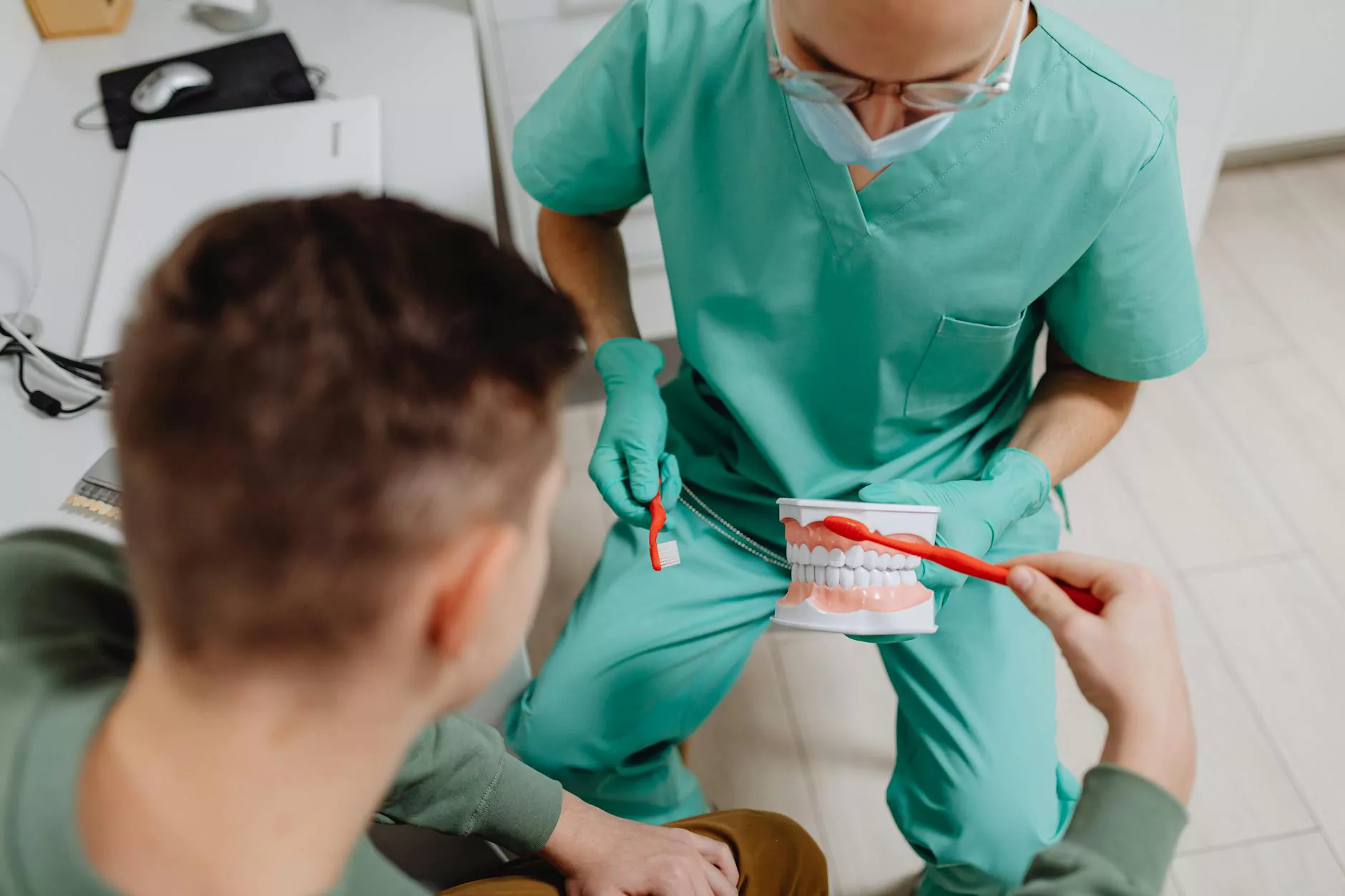
In the realm of dental health, preventive dental care plays a crucial role in maintaining not only your smile but also your overall health. The significance of preventive care cannot be overstated; it is the foundation upon which robust oral health is built. At Kensington Dental Studio, our dedicated team of dental hygienists recognizes the vital role that preventive measures, including regular check-ups and proper hygiene practices, play in ensuring a lifetime of healthy teeth and gums.
What is Preventive Dental Care?
Preventive dental care encompasses a series of practices and habit-forming behaviors aimed primarily at preventing dental diseases. This proactive approach discourages the development of oral issues before they escalate into serious problems. Implementing these practices involves a collaboration between patients and dental professionals to ensure the health of your mouth.
Why is Preventive Dental Care Essential?
The importance of preventive dental care can be highlighted through the following key points:
- Early Detection of Oral Issues: Regular dental examinations enable dental professionals to identify potential problems early. This early detection can lead to simpler, less invasive treatments, preserving both teeth and gums.
- Cost-Effective: Investing in preventive care is often more cost-effective than addressing major oral health issues that require extensive treatment.
- Promoting Overall Health: Poor oral health has been linked to various systemic diseases, including heart disease and diabetes. Maintaining oral hygiene can prevent these health complications.
- Enhancing Quality of Life: Healthy teeth and fresher breath can positively impact your confidence and self-esteem.
The Role of Dental Hygienists in Preventive Dental Care
At Kensington Dental Studio, our experienced dental hygienists are critical in implementing preventive dental care strategies. Here’s how:
- Comprehensive Oral Examinations: Hygienists perform thorough examinations to assess your oral health status, looking for signs of decay, gum disease, and other potential issues.
- Professional Cleanings: Regular cleanings remove plaque and tartar buildup that regular brushing cannot eliminate, reducing the risk of cavities and gum disease.
- Patient Education: Educating patients on proper brushing and flossing techniques, dietary choices, and other lifestyle habits to maintain good oral hygiene.
- Sealants and Fluoride Treatments: Applying dental sealants and fluoride treatments can provide additional protection for teeth, especially in children.
Key Components of Preventive Dental Care
Implementing a successful preventive dental care regime involves several components:
1. Regular Dental Visits
Scheduling regular visits to your dental hygienist or dentist is paramount. Generally, you should aim for at least two visits per year. These check-ups are vital for:
- Detecting early signs of cavities, gum disease, and oral cancer.
- Providing professional cleaning to enhance oral hygiene.
- Receiving tailored advice on your specific oral health needs.
2. Daily Oral Hygiene Practices
Incorporating a consistent oral hygiene routine at home is critical. This includes:
- Brushing: Brush your teeth at least twice daily for two minutes using fluoride toothpaste.
- Flossing: Daily flossing is essential for removing food particles and plaque from between the teeth and under the gumline.
- Mouthwash Use: Utilizing an antimicrobial mouthwash can help in reducing plaque and gingivitis.
3. Healthy Diet
Your dietary choices significantly affect your oral health. Foods high in sugar can lead to tooth decay, while foods rich in vitamins and minerals help maintain healthy gums and teeth. Here are some nutritional tips:
- Limit Sugar Intake: Reduce the consumption of sugary snacks and drinks, which create an environment for harmful bacteria.
- Stay Hydrated: Drinking plenty of water aids in washing away food particles and fortifies the teeth.
- Opt for Nutrient-Rich Foods: Include fruits, vegetables, nuts, and whole grains that support oral health.
4. Avoiding Harmful Habits
Some habits can severely compromise your dental health. Avoid:
- Smoking: Tobacco products can lead to gum disease and oral cancers.
- Chewing Hard Objects: Chewing on ice, pens, or other hard objects can chip or crack teeth.
- Frequent Snacking: Snacking throughout the day can provide a constant supply of sugar to harmful bacteria.
Advanced Preventive Strategies
Aside from standard oral hygiene practices, there are advanced preventive strategies that can further enhance your dental health:
1. Dental Sealants
Dental sealants are a thin protective coating applied to the chewing surfaces of molars. They serve as a barrier against decay, especially useful for children and teens who may struggle with proper brushing techniques.
2. Fluoride Treatments
Fluoride treatments strengthen tooth enamel and are particularly beneficial for individuals at a higher risk of cavities. Your dental hygienist can provide these treatments during your regular visits.
3. Customized Mouthguards
For individuals who grind their teeth (bruxism) or engage in contact sports, custom mouthguards can prevent injuries and tooth damage. They are an essential investment in preventive care.
Common Myths About Preventive Dental Care
Despite the wealth of information available, misconceptions about preventive dental care persist. Here are some common myths debunked:
- Myth: I only need to visit the dentist when I have a problem.Fact: Regular visits are crucial for early detection and preventing issues.
- Myth: As long as I brush, I don’t need to floss.Fact: Brushing alone cannot reach the spaces between teeth where plaque builds up; flossing is essential.
- Myth: Sugar-free foods are always good for my teeth.Fact: Even sugar-free snacks can be acidic and harmful to dental health if consumed excessively.
Integrating Preventive Dental Care into Your Lifestyle
Incorporating preventive dental care into your daily routine can lead to a healthier mouth and body. Here are some practical tips:
- Set reminders for your dental appointments to ensure you stay on track with regular check-ups.
- Encourage family and friends to adopt preventive practices in their oral care, creating a supportive environment.
- Maintain an accessible oral hygiene kit with a toothbrush, toothpaste, floss, and mouthwash at home and in your bag.
Conclusion: Prioritize Your Oral Health
In conclusion, a commitment to preventive dental care is essential for everyone. The benefits of keeping your teeth and gums healthy extend beyond mere aesthetics; they encompass overall well-being. At Kensington Dental Studio, our team of skilled dental hygienists is dedicated to providing tailored preventive care to meet your unique needs. By prioritizing preventive strategies, you are investing in your health, boosting your confidence, and ensuring that your beautiful smile lasts a lifetime.
Don't wait for problems to arise; take charge of your dental health today! Schedule your appointment with Kensington Dental Studio and embark on the path to optimal oral health through effective preventive dental care.