ACES Casino School / Journal
The Value of 2nd Hand Items in Modern Business
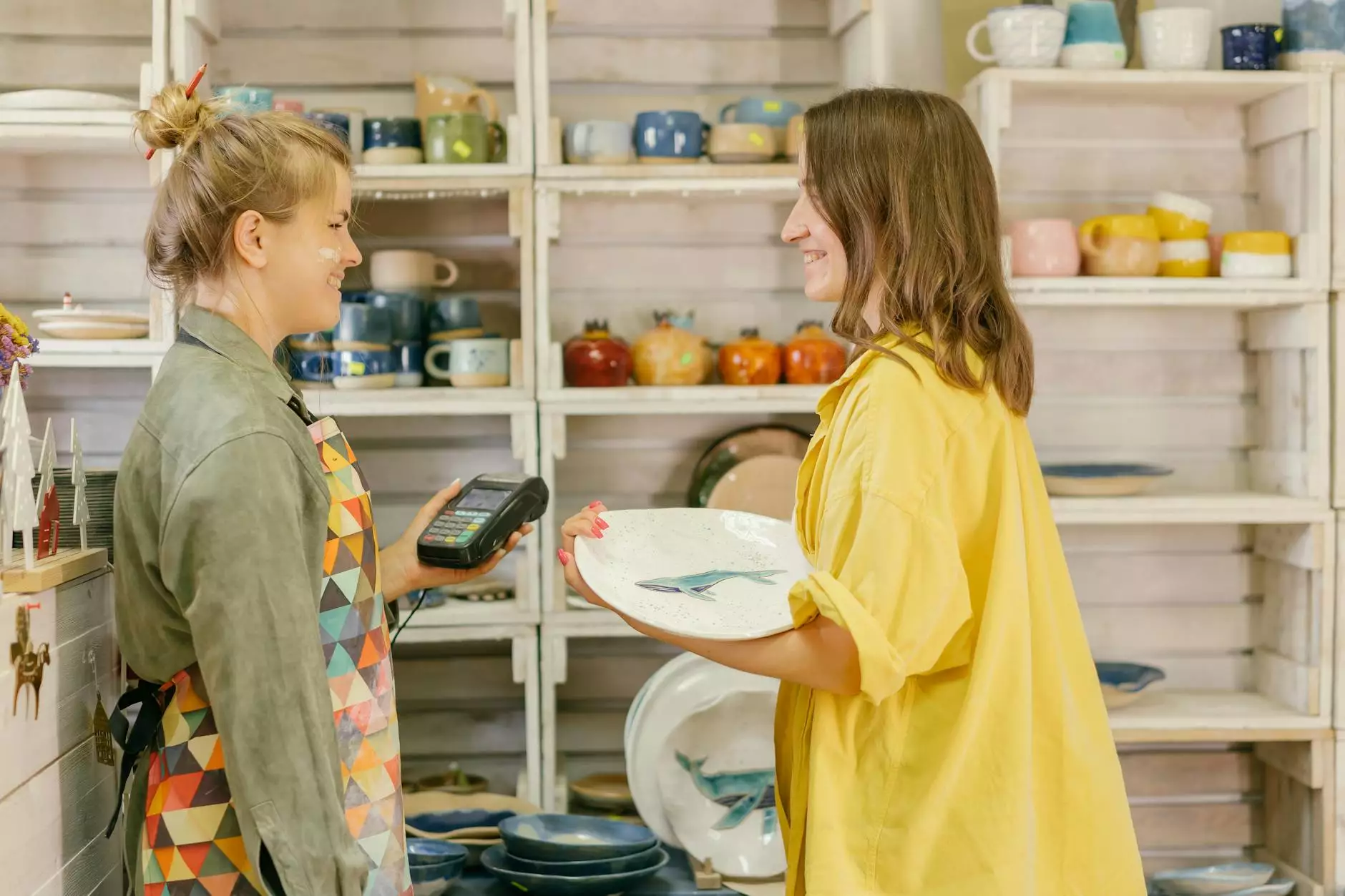
In today's rapidly changing marketplace, the concept of purchasing 2nd hand items has evolved from a niche market to a mainstream choice for consumers and businesses alike. This article delves into the world of used goods, exploring the myriad benefits, considerations, and trends that highlight why second-hand shopping is not only economically savvy but also a sustainable choice.
Understanding the Rise of 2nd Hand Items
Over the past decade, there has been a significant shift in consumer attitudes towards shopping. Factors such as economic downturns, increased environmental awareness, and a desire for unique products have all contributed to the growing popularity of 2nd hand items.
Economic Advantages of Buying Used
One of the most compelling reasons people turn to 2nd hand items is the potential for significant savings. Here are some economic advantages:
- Cost-Effectiveness: Second-hand goods often come at a fraction of their original retail price. This offers consumers the opportunity to stretch their budgets further.
- Higher Quality: Many used items, particularly vintage or antique products, often boast superior craftsmanship compared to modern alternatives. For example, furniture made from solid wood can often be found at second-hand stores for much less than new, mass-produced counterparts.
- Investment Potential: Certain 2nd hand items, such as collectibles or high-end electronics, can appreciate in value over time. Savvy buyers can turn a profit by reselling these items later.
Environmental Impact of Buying Used
With the alarming rates of waste and pollution, many consumers are now prioritizing sustainable shopping habits. Purchasing 2nd hand items significantly reduces the demand for new products, which in turn can help decrease manufacturing emissions and resource depletion. Consider the following:
- Waste Reduction: By choosing used goods, consumers extend the lifespan of products, keeping them out of landfills.
- Resource Conservation: The production of new items consumes vast resources. By opting for second-hand, we help conserve water, energy, and raw materials.
- Supporting Circular Economy: Buying 2nd hand items contributes to a circular economy where products are reused and recycled, fostering sustainable practices.
The Appeal of Unique Finds
Many shoppers are drawn to 2nd hand items due to the sheer uniqueness and character that used goods offer. Here are a few reasons why:
- Individuality: Second-hand shopping allows consumers to find one-of-a-kind items that express their personality, as opposed to mass-produced items that are widely available.
- Story Behind Each Item: Used items often come with histories that add a layer of charm and nostalgia, making them more meaningful than new goods.
- Vintage Trends: The resurgence of vintage fashion and décor has increased the demand for second-hand goods that reflect these unique styles.
Where to Find Quality 2nd Hand Items
As the market for 2nd hand items expands, various venues have emerged for consumers to explore. Here are some top places where you can find excellent used goods:
Thrift Stores
Thrift stores, often run by charities, are treasure troves for used items. Shopping here not only supports a good cause but also offers access to a diverse range of products, including clothing, furniture, and household goods.
Online Marketplaces
The internet has revolutionized the way we shop for second-hand goods. Websites like eBay, Craigslist, and specialized platforms such as Poshmark and Depop allow consumers to browse extensive collections of 2nd hand items right from their homes.
Local Flea Markets
Flea markets are excellent venues for discovering unique and often vintage finds. Vendors offer everything from antiques to handmade crafts, attracting a variety of second-hand enthusiasts.
Consignment Shops
Many consignment shops curate high-quality items, often focusing on clothing and accessories. These shops offer a rotating selection of fashionable pieces at reduced prices.
Challenges of Buying 2nd Hand Items
While there are numerous benefits to purchasing 2nd hand items, it's important to consider some potential challenges as well:
- Condition Concerns: Used items may require inspection for wear and tear, and some goods might need repairs or cleaning before use.
- Limited Availability: The selection of second-hand items can vary significantly from one shopping trip to another, making it sometimes challenging to find exactly what you’re looking for.
- No Returns: Many thrift and consignment stores have strict return policies, so shoppers should be diligent about their purchases.
Maximizing Your Experience with 2nd Hand Items
To ensure you get the most out of buying second-hand, consider these tips:
- Know Your Needs: Have a clear idea of what you’re looking for to avoid impulsive purchases.
- Inspect Items Carefully: Check for damages or defects. When shopping online, look for detailed photographs.
- Be Patient: Finding the perfect item may take time. Enjoy the hunt and don’t rush the process.
- Negotiate: In places like flea markets, negotiating can lead to significant savings.
The Future of 2nd Hand Items in Business
As the demand for sustainable practices continues to grow, the future of the 2nd hand items sector looks bright. Brands are increasingly embracing second-hand models, including take-back programs and resale platforms, further normalizing the transaction of used goods. This intersection of commerce and conscious consumerism is paving the way for a more sustainable and ethical shopping culture.
Conclusion
In conclusion, the rise of 2nd hand items represents a broader movement towards sustainability, individuality, and economic mindfulness in shopping. Whether you're a seasoned thrifter or a newcomer exploring this vibrant space, embracing second-hand goods offers a wealth of opportunities to enhance your lifestyle while benefiting the planet.
As consumers, we have the power to influence market trends and drive demand for more sustainable practices. By choosing to shop for 2nd hand items, you not only save money but also contribute to a greener economy and a brighter future.