ACES Casino School / Journal
Comprehensive Guide to the CT Scan for Lung Cancer and Its Role in Modern Healthcare
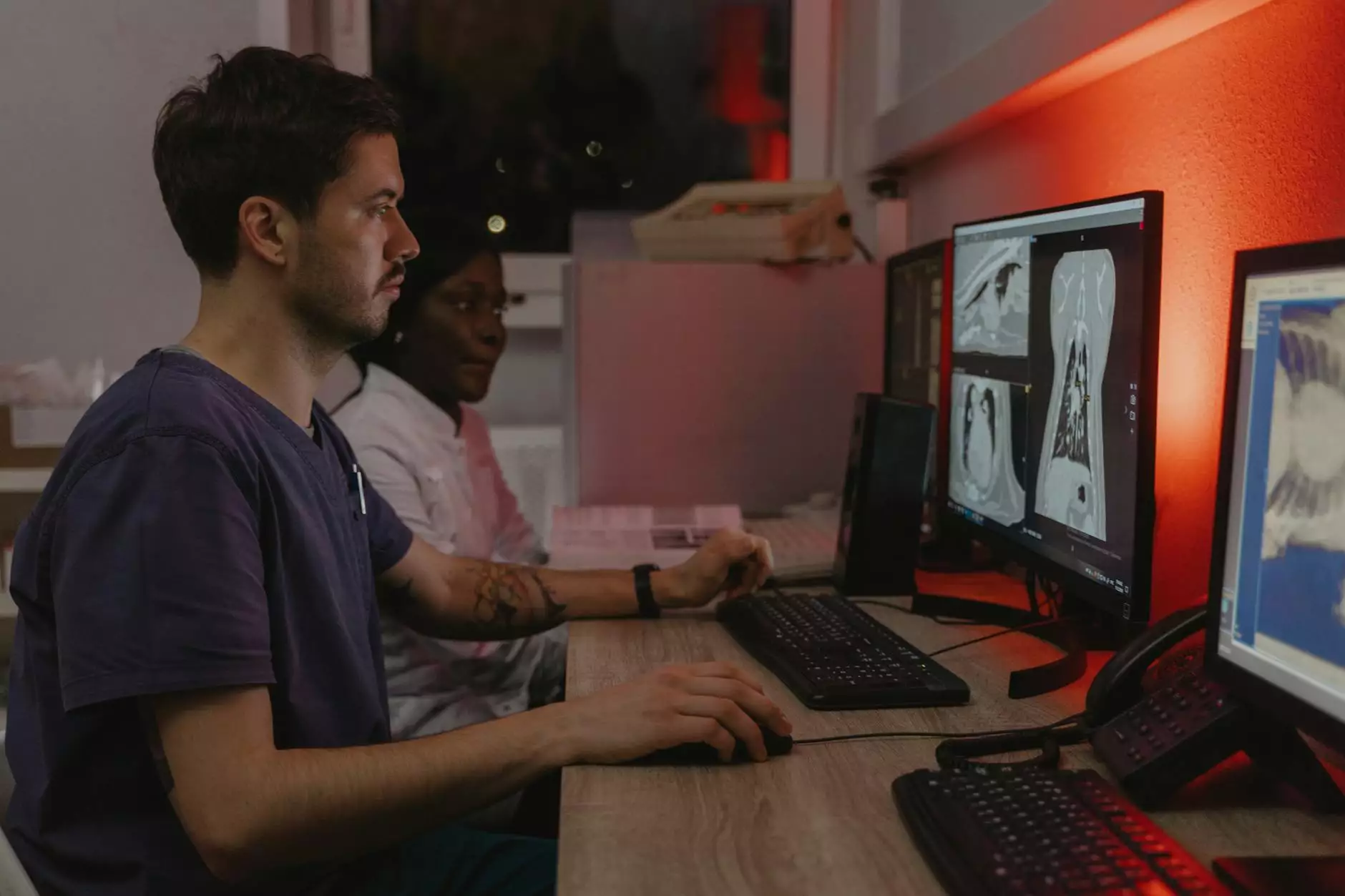
In today’s rapidly advancing medical landscape, the CT scan for lung cancer has become an indispensable tool in the early detection and effective management of lung cancer. As a leading provider in health & medical services, Hellophysio.sg emphasizes the critical role of cutting-edge imaging technology in improving patient outcomes. This comprehensive guide delves into the importance, procedure, benefits, and innovations related to CT scan for lung cancer, providing valuable insights for patients, clinicians, and caregivers alike.
Understanding Lung Cancer and Its Global Impact
Lung cancer remains one of the most prevalent and deadly forms of cancer worldwide. According to global health statistics, lung cancer accounts for approximately 18% of all cancer-related deaths, underscoring the necessity of early detection strategies. The disease commonly develops over several years with subtle symptoms, making early diagnosis challenging yet crucial for successful treatment.
In the context of health & medical services, timely and precise diagnostic tools like the CT scan for lung cancer are pivotal. They enable clinicians to identify potential malignancies at stages when intervention can significantly increase survival rates and quality of life.
What Is a CT Scan for Lung Cancer? An Essential Diagnostic Tool
Computed Tomography (CT) scans are advanced imaging techniques that use X-ray technology and computer processing to generate detailed cross-sectional images of the body. When specifically aimed at detecting lung abnormalities, a CT scan for lung cancer provides high-resolution images that reveal small nodules, masses, or other irregularities within the lung tissue.
Features of a CT scan for lung cancer include:
- High sensitivity: Ability to detect even tiny lung nodules.
- 3D imaging: Provides comprehensive visualization of lung structures.
- Guidance capability: Assists in biopsy procedures and treatment planning.
The Role of CT Scan for Lung Cancer in Early Detection and Diagnosis
The primary benefit of utilizing a CT scan for lung cancer is its capacity to detect malignancies at an early stage, often before symptoms manifest. This early detection significantly increases the likelihood of successful treatment and survival.
Screening High-Risk Populations
For individuals at high risk—such as heavy smokers, those with a family history of lung cancer, or occupational exposures—a regular screening with low-dose CT scans can catch malignant lesions early, sometimes years before they develop symptoms.
Diagnostic Confirmation
Once suspicious lesions are identified on a screening scan, follow-up diagnostic CT scans for lung cancer assist in differentiating benign from malignant nodules. Further, they facilitate precise localization of the lesion, guiding biopsy procedures for histopathological examination.
Advantages of Using CT Scan for Lung Cancer in Clinical Practice
The integration of CT scan for lung cancer represents a breakthrough in medical imaging, offering several advantages over traditional X-rays and other diagnostic methods:
- Enhanced sensitivity: Detects small nodules smaller than 3mm that are often missed by chest X-rays.
- Precise localization: Helps in surgical planning and minimally invasive interventions.
- Real-time guidance: Assists interventional radiologists during needle biopsies or localized treatments.
- Monitoring response: Tracks the effectiveness of treatments such as chemotherapy or targeted therapies over time.
The Process of CT Scanning for Lung Cancer: What Patients Should Expect
Understanding what occurs during a CT scan for lung cancer can alleviate patient anxiety and prepare you for the procedure. The process typically includes:
Preparation
- Fasting may be required for several hours prior to the scan.
- Informing your physician about allergies, especially iodine or contrast dye sensitivities.
- Removal of jewelry and metallic objects that could interfere with imaging.
During the Scan
- You will lie on a narrow, motorized table that moves through the CT scanner.
- In some cases, contrast dye may be administered intravenously to enhance image clarity.
- The scan itself is painless, typically lasting 10-30 minutes.
- Remaining still and holding your breath when instructed ensures high-quality images.
Post-Procedure Care
- If contrast dye was used, you may be advised to hydrate to flush out the dye.
- Discuss any adverse reactions with your healthcare provider.
- Follow-up appointments may be scheduled depending on initial findings.
Advancements in Imaging Technology and Future of CT Scan for Lung Cancer
With continual innovations in medical imaging, the future of CT scan for lung cancer is promising. Techniques such as low-dose CT, dual-energy CT, and artificial intelligence (AI)-powered image analysis are enhancing detection accuracy while reducing patient risk.
Low-Dose CT Scans
Advantageous for screening programs, these scans provide essential diagnostic information at a fraction of the radiation dose of traditional CT, making routine screening safer for high-risk populations.
AI in Imaging
Artificial intelligence algorithms are increasingly integrated into CT imaging, enabling faster and more accurate detection of suspicious nodules. AI can also assist in predicting malignancy and guiding treatment strategies.
Integration of CT Scan for Lung Cancer in Holistic Health & Medical Services
At Hellophysio.sg, our health & medical team emphasizes a multidisciplinary approach for managing lung health. Combining advanced diagnostics like CT scan for lung cancer with physical therapy, sports medicine, and preventive care ensures comprehensive patient management.
Preventive Measures and Patient Education
- Encouraging smoking cessation programs.
- Providing educational resources on lung health and cancer risks.
- Promoting regular health check-ups and screening protocols.
Why Choose Hellophysio.sg for Your Lung Health Needs?
Our facility offers state-of-the-art imaging technology and experienced radiology specialists dedicated to early detection and accurate diagnosis of lung conditions. We prioritize patient comfort, safety, and personalized care strategies to ensure optimal health outcomes.
Moreover, our integrated approach within the health & medical, sports medicine, and physical therapy categories allows us to support each patient’s journey from diagnosis through recovery and beyond.
Comprehensive Care Post-Diagnosis: From Treatment to Rehabilitation
Early detection through CT scan for lung cancer is just the beginning. Multimodal treatment plans, including surgery, chemotherapy, radiation, and targeted therapies, are often required. Post-treatment, our physical therapy programs help in managing side effects, improving lung function, and restoring overall health.
Conclusion: Embracing Technology for Better Lung Health Outcomes
The CT scan for lung cancer exemplifies the power of technological innovation in saving lives. Its ability to detect disease early, guide precise interventions, and monitor treatment responses makes it a cornerstone of modern oncology and respiratory health management. By choosing cutting-edge diagnostic services like those at Hellophysio.sg, patients benefit from a comprehensive, compassionate approach that advances health and wellbeing.
Incorporating CT scan for lung cancer into routine health strategies, especially for high-risk groups, fortifies our collective fight against lung cancer. Continued advancements promise even greater accuracy, safety, and accessibility, paving the way for healthier futures worldwide.