ACES Casino School / Journal
Unlocking Business Efficiency and Growth with the Thermal Transfer Label Printer
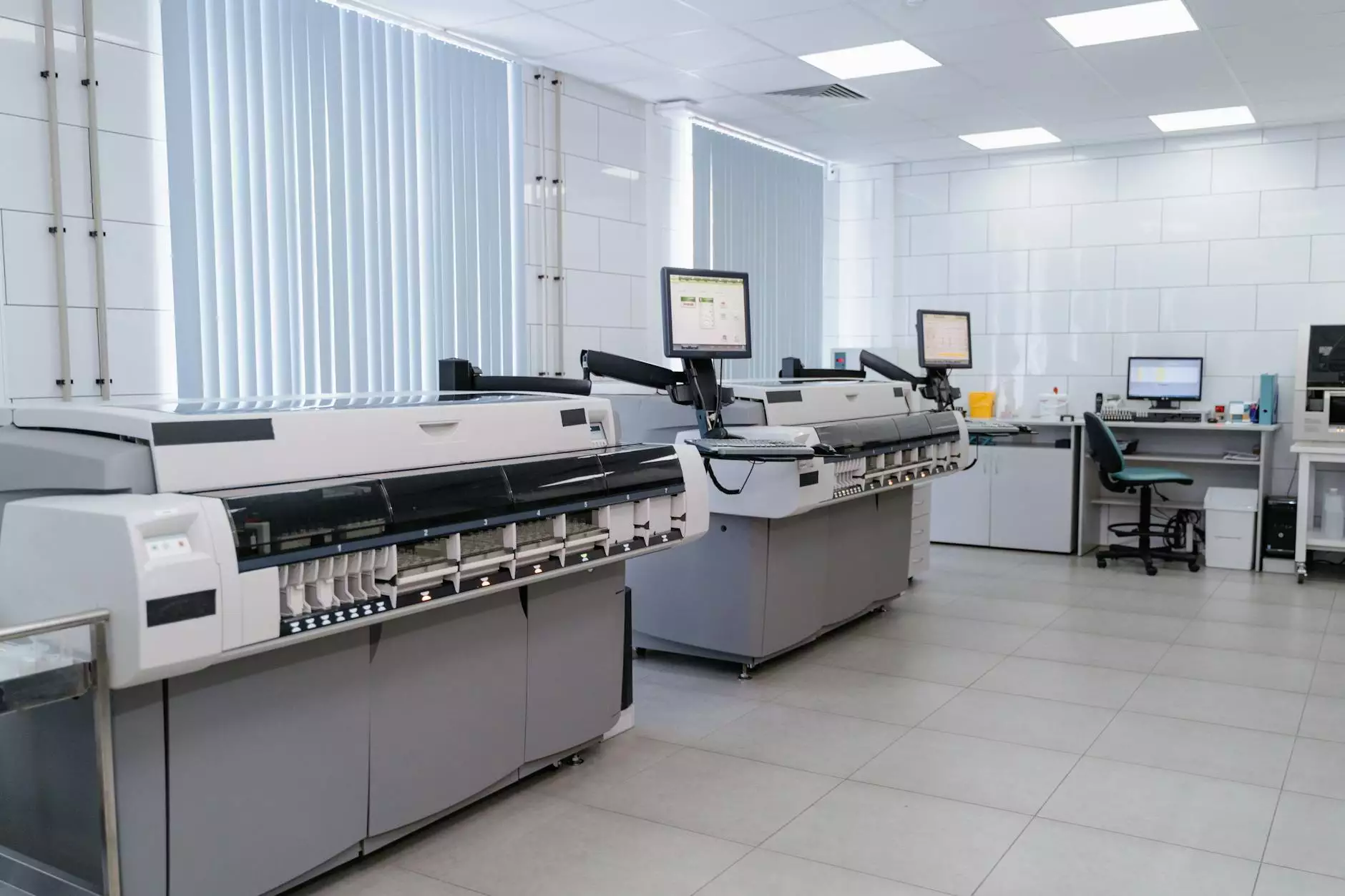
In today’s competitive marketplace, efficiency, accuracy, and reliability are the pillars of a thriving business. Among the myriad of technological innovations propelling businesses forward, the thermal transfer label printer stands out as a game-changer, especially for companies engaged in electronics, printing services, and computing sectors. This sophisticated printing technology has empowered organizations worldwide to enhance their branding, inventory management, and logistical operations with unparalleled precision and durability.
Understanding the Thermal Transfer Label Printer: A Deep Dive into Its Functionality
The thermal transfer label printer operates on a simple yet highly effective principle: it uses a heated ribbon to transfer ink onto labels, creating long-lasting, high-quality prints. Unlike direct thermal printers, which rely solely on heat-sensitive substrates, thermal transfer printers utilize a ribbon made of wax, resin, or a mixture of both. When heated, the ribbon melts onto the label material, producing images that are resistant to smudging, scratching, and environmental factors.
Key Components of a Thermal Transfer Label Printer
- Print Head: The core element that heats specific areas to transfer ink from the ribbon to the label.
- Ribbon: The ink coating on a spool that provides the transfer medium.
- Label Media: The adhesive backing material onto which the image is transferred.
- Control Panel: Interface to configure settings and monitor printer status.
- Feed Mechanism: Ensures smooth movement of labels and ribbon during printing.
Advantages of Using a Thermal Transfer Label Printer in Business Operations
Adopting a thermal transfer label printer offers a multitude of benefits that directly impact business profitability and operational efficiency. Here are some compelling reasons why companies in electronics, printing services, and computing should leverage this technology:
1. Exceptional Durability and Resistance
Printed labels produced via thermal transfer are highly resistant to water, chemicals, UV exposure, and extreme temperatures. This makes them ideal for labeling products subjected to harsh environments, such as outdoor electronics or industrial components.
2. Superior Print Quality and Precision
The technology guarantees sharp, clear images and text, ensuring that barcodes, QR codes, and other critical data are easy to scan and interpret, reducing errors and enhancing traceability.
3. Versatility in Label Materials
Thermal transfer printers accommodate a broad range of label substrates—including polyester, polypropylene, vinyl, and paper—providing customized solutions tailored to specific business needs.
4. Cost-Effective Long-Term Solution
Though initial investment may seem higher than direct thermal printers, the longevity and durability of the labels reduce the need for frequent re-labeling, translating into cost savings over time.
5. High-Speed and Efficient Printing
Modern thermal transfer printers offer rapid printing speeds, essential for high-volume operations such as packaging lines, warehousing, and distribution centers.
Key Applications of a Thermal Transfer Label Printer in Modern Business Sectors
This printing technology has a broad spectrum of applications, especially in industries where precision, durability, and compliance are paramount. Here are some vital sectors that benefit immensely:
Electronics Industry
Labels are fundamental in electronics for serial numbers, calibration data, warning labels, and component identification. The resilience of thermal transfer labels ensures that electronic components remain properly labeled throughout their lifespan, even under fluctuating temperatures or exposure to chemicals.
Printing Services
Businesses specializing in printing enjoy the versatility of thermal transfer printers for creating customized labels, product packaging, and promotional materials. Its ability to handle diverse label media enables customization options that captivate customers and enhance brand identity.
Computers and Data Centers
Accurate labeling of hardware, cables, and servers is critical for maintenance, troubleshooting, and asset management. Thermal transfer labels withstand cleaning processes and environmental stress, ensuring data integrity and operational safety.
Logistics and Supply Chain Management
Fast, durable barcodes and shipping labels streamline inventory tracking, reduce shipping errors, and improve overall supply chain visibility, directly impacting customer satisfaction and operational costs.
Why OmegaBrand.com Is Your Premier Partner for Thermal Transfer Label Printers
At omegabrand.com, we recognize that choosing the right printing technology is critical for enterprise success. Our extensive selection of thermal transfer label printers is designed to meet the diverse needs of modern businesses, whether you operate a small startup or a large manufacturing facility.
Our Commitment to Quality and Innovation
We provide state-of-the-art printers featuring the latest advancements in thermal transfer technology, ensuring high throughput, supreme print quality, and durability. Our products are compatible with various labels and ribbons, allowing maximum flexibility and customization for your business operations.
Expert Consultation and Customer Support
Our experienced team offers tailored recommendations based on your specific industry requirements and operational scale. From installation to maintenance, we ensure your thermal transfer labeling solutions operate seamlessly, maximizing ROI.
Comprehensive Range of Printing Supplies
Offers include ribbons, labels, and accessories designed to optimize your printing process and ensure consistent, high-quality results. Quality control and eco-friendly options are also central to our product offerings.
Implementing a Thermal Transfer Label Printer: Step-by-Step Guide
Transitioning to advanced labeling solutions requires strategic planning and execution. Below are the essential steps to successfully integrate a thermal transfer label printer into your business:
1. Assess Your Labeling Needs
- Determine volume requirements
- Evaluate label durability needs
- Identify suitable label materials based on environmental factors
- Decide on print resolution and speed parameters
2. Select the Right Printer Model
Choose a model that aligns with your operational demands, considering factors like connectivity options (USB, Ethernet, Wi-Fi), print width, and media compatibility.
3. Source Quality Supplies and Consumables
Invest in high-quality ribbons and labels to ensure longevity and print clarity. Compatibility with your chosen printer model is essential for optimal performance.
4. Configure and Calibrate Your Printer
Proper setup and calibration are crucial for achieving precise prints. Follow manufacturer instructions and consider consulting with technical experts for best practices.
5. Integrate with Business Systems
Connect your printer with inventory management, ERP, or printing software to streamline workflow automation and data accuracy.
6. Conduct Pilot Testing
Run test batches to verify print quality, durability, and operational efficiency. Make adjustments as necessary before full-scale deployment.
7. Employee Training and Maintenance
Ensure staff are trained on operation, troubleshooting, and routine maintenance to prolong equipment lifespan and prevent downtime.
Future Trends in Thermal Transfer Printing for Modern Business
The landscape of printing technology is constantly evolving. Here are some trends set to influence the future of thermal transfer label printers:
1. Integration with IoT and Automation
Smart printers connected via IoT will facilitate remote monitoring, predictive maintenance, and real-time data analytics, reducing downtime and increasing operational efficiency.
2. Eco-Friendly Ribbon and Label Materials
Growing emphasis on sustainability is driving innovations in biodegradable ribbons and environmentally friendly labels, aligning business operations with eco-conscious values.
3. Higher Resolution and Speed Capabilities
Advancements will continue to push the boundaries of print resolution and speed, supporting high-volume, high-detail labeling needs in manufacturing and logistics.
4. Enhanced Security Features
Incorporating holograms, tamper-evident labels, and encryption-compatible QR codes will bolster product integrity and anti-counterfeiting measures.
Conclusion: Embracing a Smarter Future with Thermal Transfer Label Printing
In sum, the thermal transfer label printer is more than just a piece of equipment—it is a vital asset that can dramatically transform your business operations. From improved durability and print quality to flexible applications across various industries like electronics, printing services, and computing, this technology aligns perfectly with the aspirations of modern enterprises seeking efficiency, precision, and reliability.
Partner with omegabrand.com to access top-tier products, expert guidance, and innovative solutions that will propel your business into a prosperous future. Embrace the power of advanced printing technology today and set the stage for sustained growth and success!